Rarity breakdown
Rarest at the top.
 Japanese Poké Cards日本のポケカ
Japanese set · Neo
The full Crossing the Ruins... Japanese card list: all 56 cards, rarest first, from the 19 Rare Holo down to the cards with no rarity symbol. Released 7 July 2000.
swipe for moredrag for more →
Rarest at the top.
46 different Pokémon appear. These show up the most.
52 Pokémon cards.
Different Pokémon, by the generation they first appeared in.
Gen 2 (Johto) has the most: 29
16 illustrators worked on these cards.
Cards per set, Crossing the Ruins... in red.
19 cards, in the main set: 19 Pokémon cards.
Printed with a diamond symbol. 18 cards, in the main set: 15 Pokémon cards and 3 Trainer or Energy cards.

Printed with a circle symbol. 18 cards, in the main set: 17 Pokémon cards and 1 Trainer or Energy card.
Cards printed without a rarity symbol, like deck and promo cards. 1 card, in the main set: 1 Pokémon card.
Crossing the Ruins... Japanese card list
| No. | Card | Rarity | Type | Illustrator |
|---|---|---|---|---|
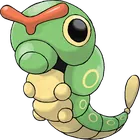
| No.010/056 | Caterpie | C | 草 | Yuka Morii |
| No.013/056 | Weedle | C | 草 | Miki Tanaka |
| No.167/056 | Spinarak | C | 草 | Yukiko Baba |
| No.187/056 | Hoppip | C | 草 | Kagemaru Himeno |
| No.204/056 | Pineco | C | 草 | Tomokazu Komiya |
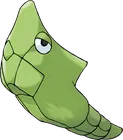
| No.011/056 | Metapod | U | 草 | Sumiyoshi Kizuki |
| No.014/056 | Kakuna | U | 草 | Yukiko Baba |
| No.123/056 | Scyther | U | 草 | Kimiya Masago |
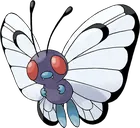
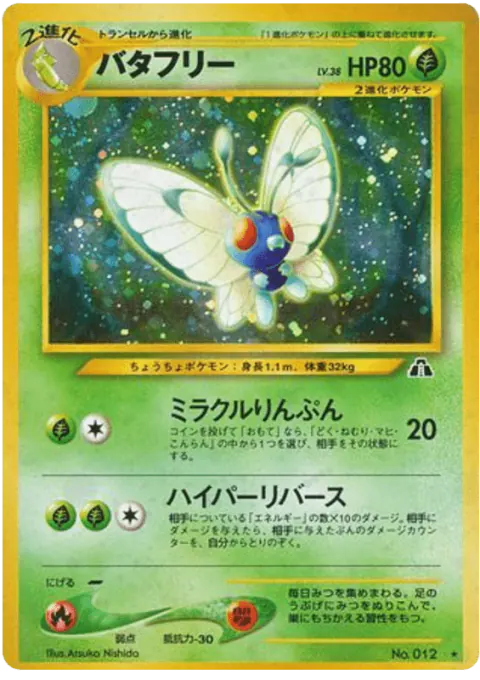
| No.012/056 | Butterfree | R Holo | 草 | Atsuko Nishida |
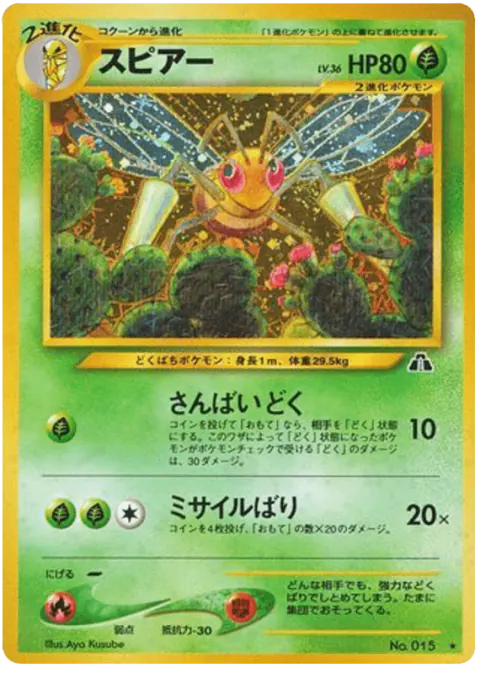
| No.015/056 | Beedrill | R Holo | 草 | Aya Kusube |
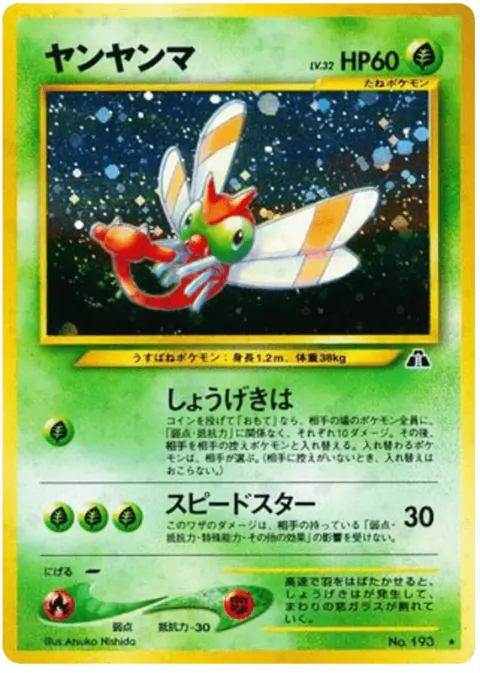
| No.193/056 | Yanma | R Holo | 草 | Atsuko Nishida |
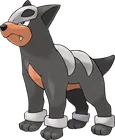
| No.228/056 | Houndour | R Holo | 炎 | Aya Kusube |
| No.060/056 | Poliwag | C | 水 | Aya Kusube |
| No.140/056 | Kabuto | C | 水 | Yuka Morii |
| No.194/056 | Wooper | C | 水 | Yukiko Baba |
| No.061/056 | Poliwhirl | U | 水 | Kagemaru Himeno |
| No.222/056 | Corsola | U | 水 | Yuka Morii |
| No.140/056 | Kabutops | R Holo | 水 | Kimiya Masago |
| No.186/056 | Politoed | R Holo | 水 | Tomokazu Komiya |
| No.179/056 | Mareep | C | 雷 | Atsuko Nishida |
| No.026/056 | Dark Raichu | – | 雷 | Mitsuhiro Arita |
| No.177/056 | Natu | C | 超 | Sumiyoshi Kizuki |
| No.201/056 | Unown [I] | C | 超 | CR CG gangs |
| No.178/056 | Xatu | U | 超 | Sumiyoshi Kizuki |
| No.201/056 | Unown [F] | U | 超 | CR CG gangs |
| No.201/056 | Unown [D] | U | 超 | CR CG gangs |
| No.201/056 | Unown [M] | U | 超 | CR CG gangs |
| No.201/056 | Unown [U] | U | 超 | CR CG gangs |
| No.196/056 | Espeon | R Holo | 超 | Atsuko Nishida |
| No.201/056 | Unown [A] | R Holo | 超 | CR CG gangs |
| No.202/056 | Wobbuffet | R Holo | 超 | Hironobu Yoshida |
| No.138/056 | Omanyte | C | 闘 | Yuka Morii |
| No.236/056 | Tyrogue | C | 闘 | Miki Tanaka |
| No.246/056 | Larvitar | C | 闘 | Hironobu Yoshida |
| No.139/056 | Omastar | U | 闘 | Shin-ichi Yoshida |
| No.247/056 | Pupitar | U | 闘 | Hironobu Yoshida |
| No.062/056 | Poliwrath | R Holo | 闘 | Shin-ichi Yoshida |
| No.237/056 | Hitmontop | R Holo | 闘 | Sumiyoshi Kizuki |
| No.228/056 | Houndour | U | 悪 | Shin-ichi Yoshida |
| No.197/056 | Umbreon | R Holo | 悪 | Kimiya Masago |
| No.229/056 | Houndoom | R Holo | 悪 | Shin-ichi Yoshida |
| No.248/056 | Tyranitar | R Holo | 悪 | Hironobu Yoshida |
| No.081/056 | Magnemite | R Holo | 鋼 | K. Hoshiba |
| No.205/056 | Forretress | R Holo | 鋼 | CR CG gangs |
| No.212/056 | Scizor | R Holo | 鋼 | Kimiya Masago |
| No.161/056 | Sentret | C | 無 | Sumiyoshi Kizuki |
| No.206/056 | Dunsparce | C | 無 | Yukiko Baba |
| No.216/056 | Teddiursa | C | 無 | Miki Tanaka |
| No.133/056 | Eevee | U | 無 | Aya Kusube |
| No.174/056 | Igglybuff | U | 無 | Miki Tanaka |
| No.217/056 | Ursaring | R Holo | 無 | Naoyo Kimura |
| No.235/056 | Smeargle | R Holo | 無 | Hironobu Yoshida |
| /056 | Energy Ark | C | Trainer | "Big Mama" Tagawa |
| /056 | Ruin Wall | U | Trainer | "Big Mama" Tagawa |
| /056 | Fossil Egg | U | Trainer | K. Hoshiba |
| /056 | Hyper Devolution Spray | U | Trainer | K. Hoshiba |
Crossing the Ruins... (遺跡をこえて...) is a Japanese Neo set that first came out on 7 July 2000. Its card list has 56 cards: 52 Pokémon, 4 Trainers and 0 Energy cards, drawn by 16 illustrators.
Japanese rarities are shown with the letters printed on the cards (SAR, AR, SR and so on). They are not the same as the English rarities: a Japanese Ultra Rare (UR) is the gold card.
The list starts with the rarest cards and works down to the most common. Switch to the checklist to see every card in one table with its number, rarity, type and illustrator, or download it as a PDF or a spreadsheet.